Not autocomplete. A teammate that opens pull requests.
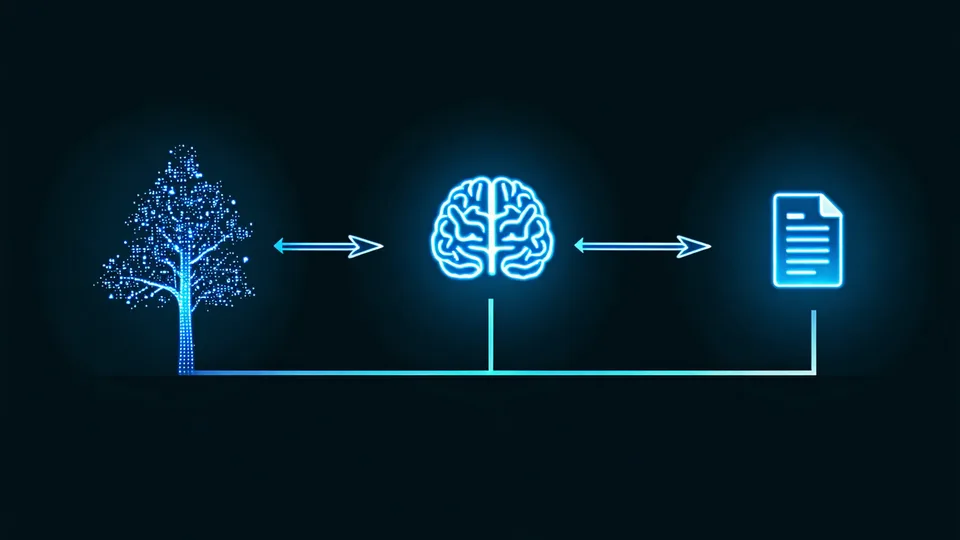
Autocomplete sees the open file. Codepylon reads the entire repository graph, traverses import chains, maps test coverage, then writes code that fits. The output is a pull request your team can review, not a suggestion they have to accept.

The file you have open is not the codebase
Autocomplete tools (Copilot, Cursor, etc.)
- Sees the current file, maybe the open tab
- Suggests code, waits for human to accept
- Never opens a PR, never updates tests
- Engineers still review every suggestion manually
- Doesn't respond to review comments
Codepylon
- Reads the entire repository graph, all modules
- Opens a real PR with diff, branch, and description
- Updates tests and CI checks automatically
- Engineers review a PR, not individual suggestions
- Reads review threads, updates code, re-requests review
How Pylon reads a codebase and produces a PR
Repository graph indexing
Pylon builds a directed dependency graph of your codebase: modules, import chains, test coverage per path, commit frequency by file. The index is updated on every push and stored incrementally. Monorepos up to 2M lines are supported.
Context window management
For each job, Pylon traverses the dependency graph outward from the target module, selecting only the subgraph that is relevant to the change. It does not brute-force the whole repo into a context window. The traversal depth is bounded by the change scope, which keeps the model focused and the output accurate.
PR scaffold and review defense
Output is a complete pull request: branch name, diff, PR description that references the ticket and explains each change. When a reviewer comments, Pylon reads the full thread context, determines what was asked, pushes a follow-up commit, and re-requests review. It does not just respond to inline comments in isolation.